Chlorination and disinfection
Ensuring safe, compliant water systems for new and existing installations
Chlorination and disinfection for compliant water systems
DWT delivers chlorination and disinfection services for domestic water, process water and cooling water systems. We work to BS 8558, PD 855468 and ACOP L8 requirements, helping clients achieve safe, compliant systems ready for operation.
.jpeg)
Microbial control
Eliminates bacteria and pathogens before handover
Regulatory compliance
Meets BS8558, PD8544:68, HTM-04 HSG 274 and ACOP L8 requirements
Certified handover
Test certificates and disinfection records provided.
Occupant safety
Protects occupants from waterborne contamination risks
Where we deliver disinfection
Chlorination and disinfection services for new installations, refurbishments and remedial projects.

New small pipework installations
Chlorination of tea points breaks out areas and vending points to comply with building management standards.
Upgrade projects
Integrate disinfection into upgrade and replacement works.
Post-contamination
treatment
Rapid response following contamination events or failed microbiological testing.
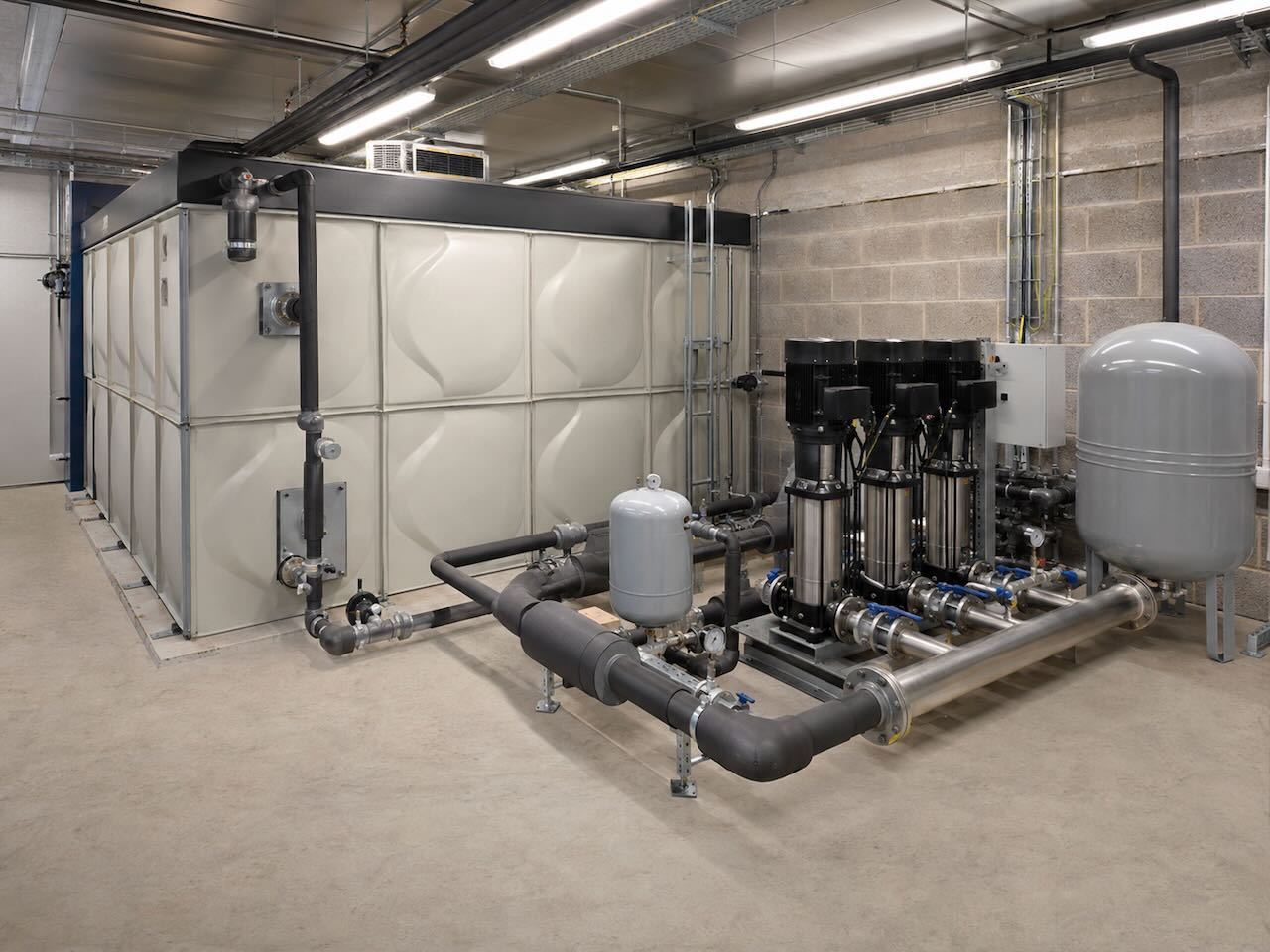
Storage tank disinfection
Annual inspection, cleaning and disinfection of cold water storage tanks and hot water cylinders

Domestic water systems
Disinfect hot and cold water systems to support safe handover and regulatory compliance.
How we disinfect your system
A structured chlorination process that delivers compliant, documented and safe water systems ready for handover.
Site
Assessment
Assess system requirements
We review drawings, inspect pipework and calculate system volume to determine the correct chlorination method, dosage and programme.
Chlorine
Dosing
Apply approved biocides
We introduce chlorine at calculated concentrations, typically 20-50 mg/l depending on system type and regulatory requirements.
Retention
Contact
Maintain contact time
Chlorine is circulated for a duration of one hour at a concentration of 50 ppm to ensure comprehensive microbial eradication. Alternative chemicals and contact times may also be considered based on specific requirements.
Flush
Validation
Remove residual chlorine
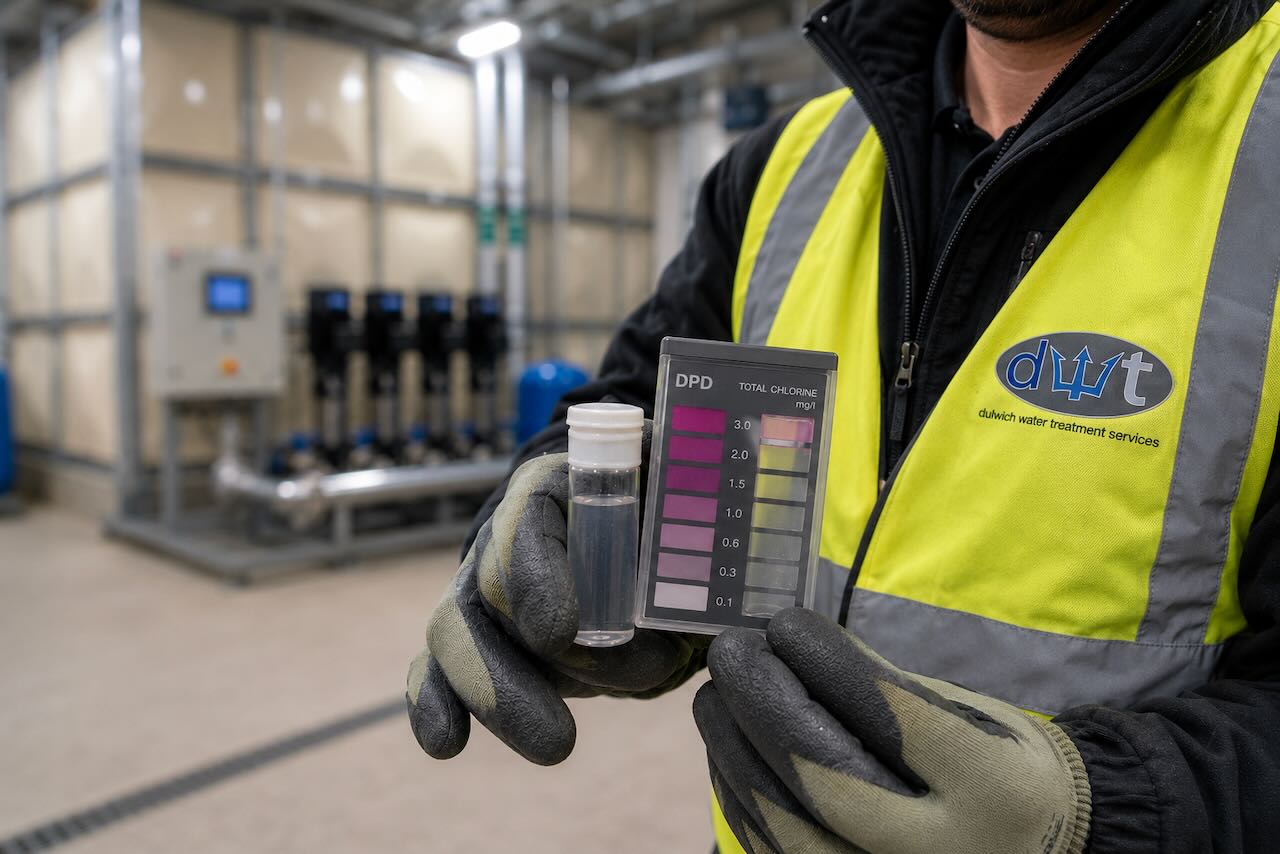
We flush the system thoroughly, neutralise residual chlorine, and conduct validation sampling to confirm disinfection success.

Frequently Asked Questions
Common questions about chlorination, disinfection standards and water system compliance.
Chlorination is commonly required for new water systems before handover, following contamination incidents, after major refurbishment works and during storage tank disinfection. Requirements are typically determined by BS 8558, HTM 04-01 and project specifications.
Typical chlorination concentrations range from 20–50 mg/l free chlorine, depending on system type, volume and regulatory requirements. Dosing levels are selected to achieve effective disinfection while protecting system components.
The retention period typically lasts 1 hour at 50ppm, allowing chlorine to circulate and eliminate bacteria throughout the system. Total project duration depends on system size, complexity and the flushing and validation phases required after disinfection.
Yes. We also provide silver-stabilised hydrogen peroxide and other approved disinfection methods where chlorine may not be suitable. The most appropriate treatment is selected based on system requirements and client objectives.
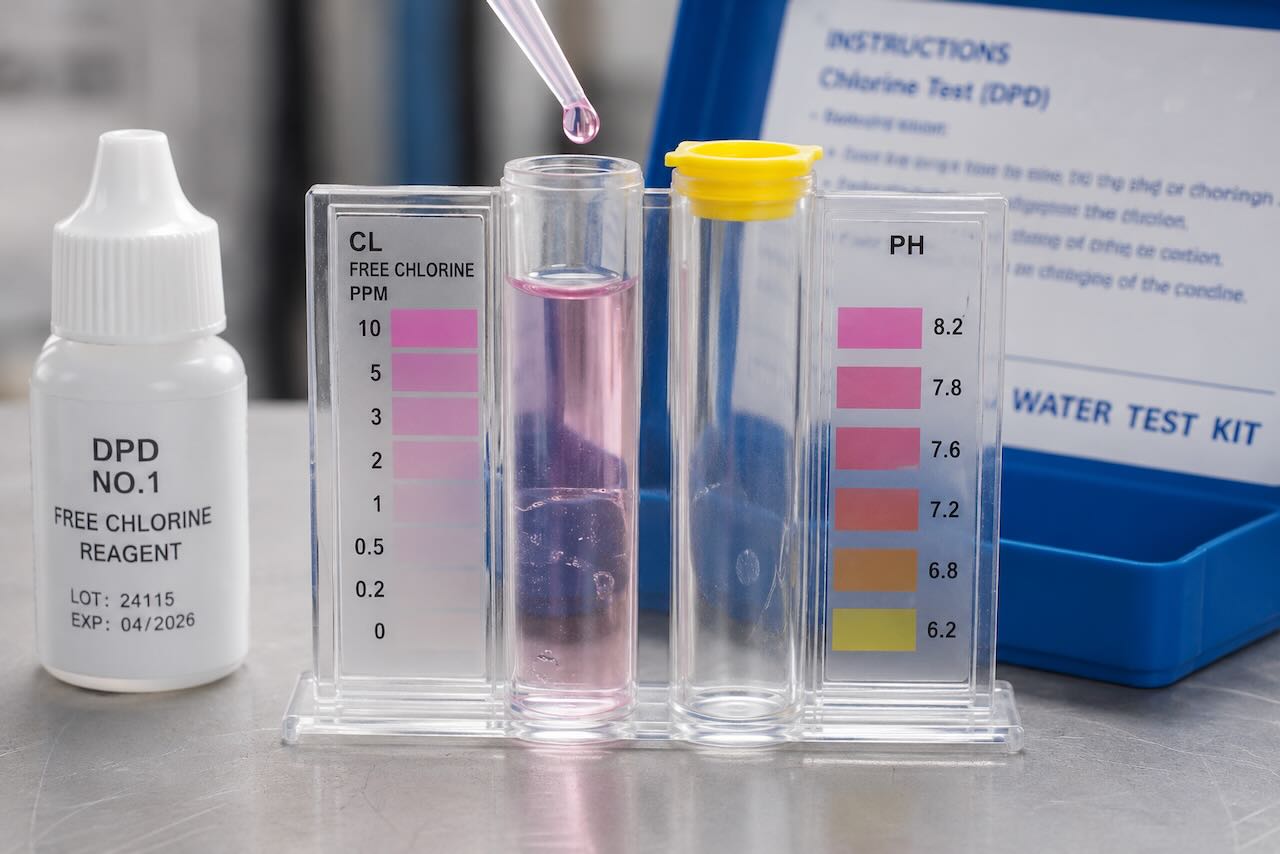
Disinfection is verified through water quality testing and, where required, microbiological sampling. Test certificates and disinfection records are issued to provide a clear audit trail and evidence of compliance.
Yes. Chlorination can be delivered alongside pre-commission cleaning, storage tank cleaning, water sampling and commissioning support, providing a complete solution before system handover.
Need technical advice?
Contact DWT for project-specific disinfection guidance
Ready to Discuss Your Project?
Speak with our team about water treatment, pre-commission cleaning, chlorination, commissioning and water hygiene support.